Born in United Kingdom · Nationality British — Cinema / private life / legal proceedings / politics / immigration / Red Scare

Charlie Chaplin

Documented profile covering 12 controversies, including “1952: Re-entry permit revoked during European trip — de facto exile from the United States” and “1922–1952: Prolonged FBI surveillance, from suspicions of "White Slave Traffic" to alleged links with communist organisations”.

Are you concerned? Right of reply

Profile No. 2052 · Updated on 12 October 2026

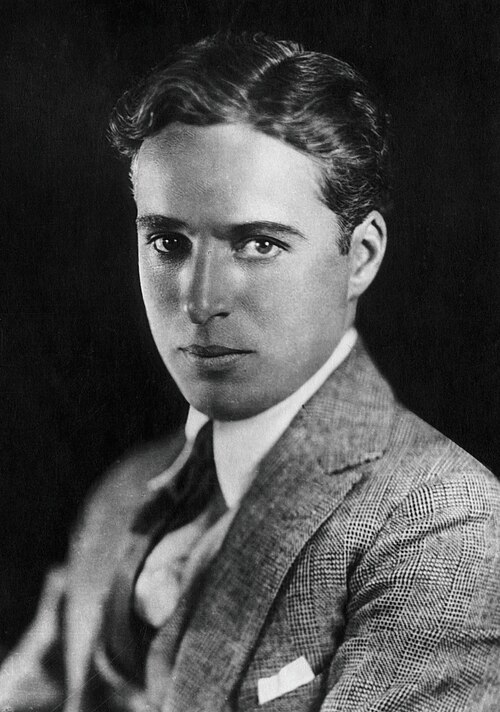
Portrait of Charlie Chaplin

Photo: Wikimedia Commons

12Documented controversies
15Sources
0Conviction

I. Documented controversies

01

September 1952–1972

1952: Re-entry permit revoked during European trip — de facto exile from the United States

No legal proceedings

As Chaplin left the United States for Europe, the government announced that his re-entry permit would not be honoured without a hearing into his moral character and political views. Chaplin chose not to return to live in the United States and settled in Switzerland; he returned only in 1972 to receive an honorary Oscar.

State of the evidence
Documented
Attribution
Directly implicated

Sources · 3

  1. [1]
    Los Angeles TimesWhat Made Charlie Run?PressHigh reliability
  2. [2]
    TIMEPeople, Sep. 29, 1952PressHigh reliability
  3. [3]

Last verified: 14 September 2026

Add to this entry

02

1922–1952

1922–1952: Prolonged FBI surveillance, from suspicions of "White Slave Traffic" to alleged links with communist organisations

Investigation

FBI archives show several decades of interest in Chaplin, initially concerning matters falling under the White Slave Traffic Act and subsequently through a domestic security file focusing on his political contacts and alleged links with communist organisations.

State of the evidence
Documented
Attribution
Directly implicated

Sources · 1

  1. [1]
    Federal Bureau of InvestigationCharlie Chaplin — FBI Records: The VaultArchiveVery high reliability

Last verified: 14 September 2026

Add to this entry

03

April–1947

1947: Monsieur Verdoux — hostile press conference, picketing and cinema boycotts

No legal proceedings

The release of Monsieur Verdoux was accompanied by a highly hostile press conference concerning Chaplin's political views, citizenship and taxation. Groups organised pickets and cinema operators refused to screen the film; contemporary archives report that a large number of cinemas temporarily banned it.

State of the evidence
Reported by the press
Attribution
Directly implicated

Sources · 2

  1. [1]
    Charlie Chaplin Official WebsiteMonsieur VerdouxArchiveMedium reliability
  2. [2]
    Charlie Chaplin ArchiveChaplin Film BarredArchiveHigh reliability

Last verified: 14 September 2026

Add to this entry

04

1947

1947: HUAC summons and public calls for deportation — Chaplin denies being a communist

No legal proceedings

Against the backdrop of the anti-communist campaign, Chaplin was summoned by the House Un-American Activities Committee and faced calls for his deportation. He ultimately did not appear before the committee and publicly stated that he was not a communist.

State of the evidence
Allegations
Attribution
Political responsibility

Sources · 2

  1. [1]
  2. [2]
    Federal Bureau of InvestigationCharlie Chaplin — FBI Records: The VaultArchiveVery high reliability

Last verified: 14 September 2026

Add to this entry

05

1943–1946

1943–1946: Joan Barry paternity proceedings — blood tests excluding Chaplin but court ruling requiring maintenance payments

Civil / administrative proceedings

Joan Barry brought proceedings to establish Chaplin as the father of her child. Blood tests involving Chaplin, Barry and the child indicated that he could not biologically be the father, but California law at the time did not treat such evidence as conclusive. Following initial proceedings without a definitive verdict, a jury found him legally to be the father and he was ordered to pay child maintenance.

Attribution
Accused

Sources · 2

  1. [1]
    California Court of Appeal via JustiaBerry v. ChaplinCourt decisionVery high reliability
  2. [2]
    Los Angeles TimesLong tradition of celebrity sex scandalsPressHigh reliability

Last verified: 14 September 2026

Add to this entry

06

1943–April 1944

1943–1944: Federal prosecution under the Mann Act in the Joan Barry case — acquittal

Acquitted / conviction overturned

Chaplin faced federal prosecution for transporting Joan Barry across state lines in circumstances which prosecutors sought to bring within the scope of the Mann Act. The case became a major media and political scandal. He was ultimately acquitted of the criminal charges put before the jury.

Attribution
Accused

Sources · 3

  1. [1]
    U.S. District Court via JustiaUnited States v. Chaplin, 54 F. Supp. 682Court decisionVery high reliability
  2. [2]
    Los Angeles TimesLong tradition of celebrity sex scandalsPressHigh reliability
  3. [3]

Last verified: 14 September 2026

Add to this entry

07

June 1943

1943: Marriage to 18-year-old Oona O’Neill when Chaplin was 54 — estrangement from Eugene O’Neill and renewed controversy over the age gap

No legal proceedings

Chaplin married Oona O’Neill at the age of 54 when she had just turned 18. Her father, the playwright Eugene O’Neill, disapproved of the marriage and became permanently estranged from her, drawing further attention to Chaplin's history of relationships with very young partners.

State of the evidence
Documented
Attribution
Personally implicated

Sources · 2

  1. [1]
    Los Angeles TimesOona Chaplin; Fourth and Last Wife of Film LegendPressHigh reliability
  2. [2]

Last verified: 14 September 2026

Add to this entry

08

1942

1942: speeches calling for a 'second front' to relieve USSR — growing accusations of communist sympathies

No legal proceedings

Chaplin gave speeches calling on the Allies to open a second front in Europe promptly to relieve the Soviet Union. In the American political climate, these positions were subsequently used by his opponents to associate him with communism.

State of the evidence
Documented
Attribution
Personally implicated

Sources · 3

  1. [1]
    Charlie Chaplin Official WebsiteCharlie Chaplin — Second Front speechArchiveMedium reliability
  2. [2]
  3. [3]
    Federal Bureau of InvestigationCharlie Chaplin — FBI Records: The VaultArchiveVery high reliability

Last verified: 14 September 2026

Add to this entry

09

1940–1941

1940: The Great Dictator sparks political controversy and faces bans or restrictions in several countries

No legal proceedings

With The Great Dictator, Chaplin directly attacked Hitler and fascism while the United States had not yet entered the war. The film provoked substantial political controversy and was banned or heavily restricted in several territories under Axis influence or authoritarian regimes.

Attribution
Directly implicated

Sources · 2

  1. [1]
  2. [2]

Last verified: 14 September 2026

Add to this entry

10

January–August 1927

1927: Lita Grey divorce — allegations of cruelty, infidelity and pressure over abortion; Chaplin's assets frozen

No legal proceedings

During their divorce, Grey made very serious allegations concerning, among other matters, infidelity, coerced sexual behaviour and pressure relating to an abortion. As part of the litigation, some of Chaplin's assets were temporarily frozen, and the divorce ended in a financial settlement exceptionally large for the period.

Attribution
Spouse

Sources · 2

  1. [1]
  2. [2]
    Los Angeles TimesLita Grey; Married Charlie Chaplin at 16PressHigh reliability

Last verified: 14 September 2026

Add to this entry

11

1924

1924: Lita Grey becomes pregnant at 15 and marries Chaplin at 16 when he was 35

No legal proceedings

Lita Grey, who had worked with Chaplin since childhood, became pregnant at 15. Chaplin married her in Mexico when she was 16 and he was 35, against a background of concerns that possible prosecution for a relationship with a minor could fuel a scandal.

State of the evidence
Documented
Attribution
Personally implicated

Sources · 2

  1. [1]
    Los Angeles TimesLita Grey; Married Charlie Chaplin at 16PressHigh reliability
  2. [2]

Last verified: 14 September 2026

Add to this entry

12

October 1918–1920

1918–1920: hasty marriage to teenage Mildred Harris amid alleged pregnancy, followed by divorce

No legal proceedings

Chaplin, then aged 29, married Mildred Harris, who was still a teenager. The marriage was brought forward after she told him she was pregnant, although the pregnancy did not materialise at that time. The highly publicised marriage soon ended in divorce.

State of the evidence
Documented
Attribution
Personally implicated

Sources · 2

  1. [1]
    The GuardianGreat dynasties of the world: The ChaplinsPressHigh reliability
  2. [2]

Last verified: 14 September 2026

Add to this entry

II. Constellation of documented links

No documented link with another published profile for now.

Two profiles are linked when a documented controversy of one names the other. The link points to that controversy and its sources; it does not indicate a personal relationship.

III. Has something changed?

A new court decision, a missing source, a mistake? Tell us what should be updated: every request is read by the editorial team.

Support the archive

Controversia checks and updates its profiles independently. Support is optional and has no effect on the content of profiles.

Donate

iPhone and iPad

Install Controversia

  1. Tap Share
  2. then Add to Home Screen

Tap Share, then Add to Home Screen.