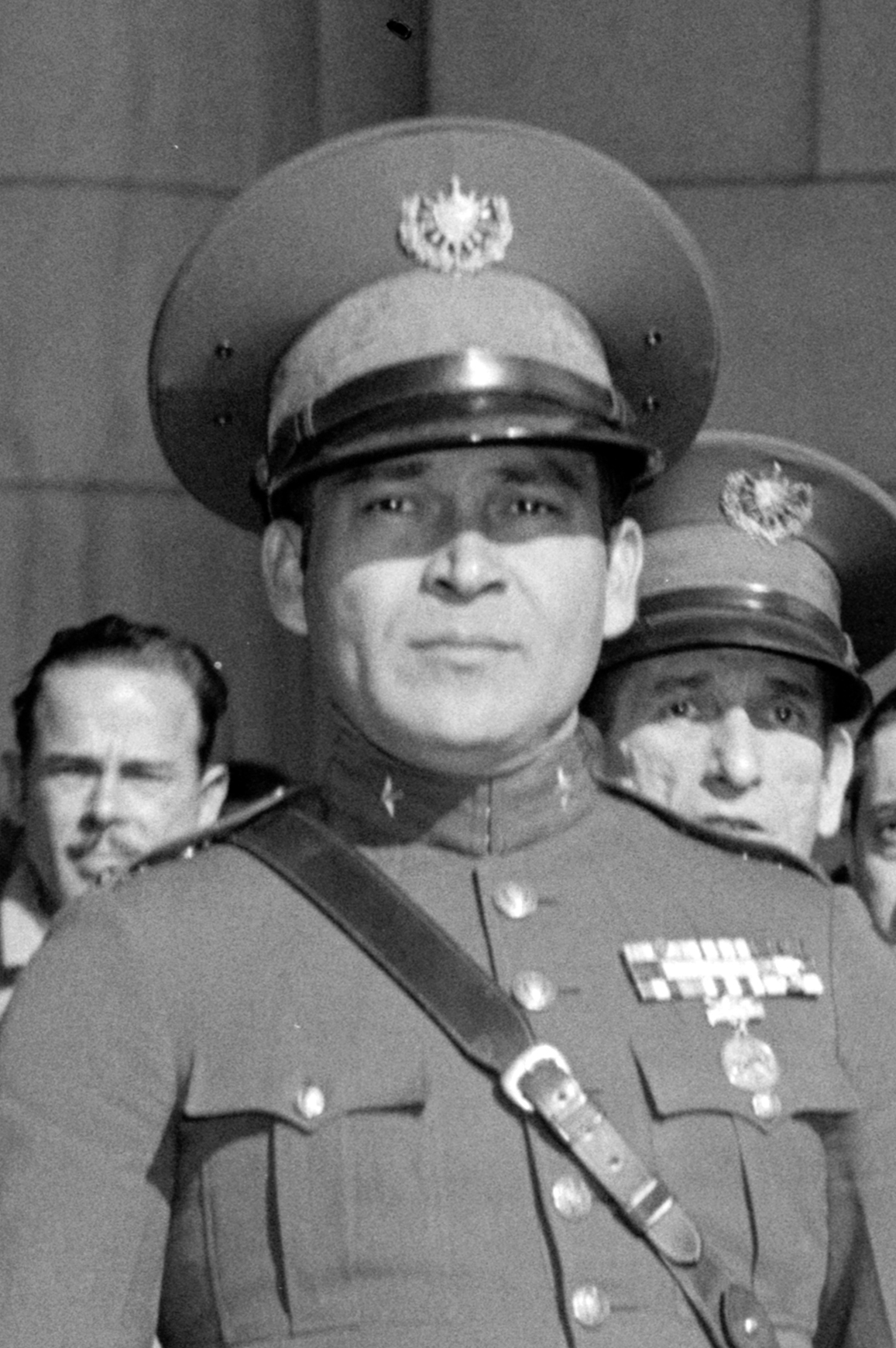
Portrait of Fulgencio Batista

Photo: Harris & Ewing · Public domain

Born in Cuba · Nationality Cuban — politics / authoritarian regime / corruption / repression

Fulgencio Batista

Documented profile covering 7 controversies, including “1 January 1959: flight from Cuba and collapse of regime” and “1957–1958: police brutality, torture, arbitrary arrests and alleged extrajudicial executions”.

Are you concerned? Right of reply

Profile No. 1998 · Updated on 12 October 2026

Portrait of Fulgencio Batista

Photo: Harris & Ewing · Public domain

7Documented controversies+ 3 background events
8Sources
0Formal charge · all time
0Conviction

I. Documented controversies

01

1 January 1959

1 January 1959: flight from Cuba and collapse of regime

No legal proceedings

Faced with military collapse, the regime's unpopularity and the revolutionary advance, Batista hastily left Cuba and went into exile.

State of the evidence
Documented
Attribution
Directly implicated

Sources · 2

  1. [1]
    U.S. Department of State – Office of the HistorianMilitary Causes for the Collapse of the Batista RegimeOfficial documentVery high reliability
  2. [2]
    U.S. Department of StateCuba: Country InformationOfficial documentVery high reliability

Last verified: 14 September 2026

Add to this entry

02

1957–1958

1957–1958: police brutality, torture, arbitrary arrests and alleged extrajudicial executions

No legal proceedings

Diplomatic reports described a regime ruling with an 'iron fist', involving arbitrary arrests, torture and orders to take no prisoners during certain repressive operations.

State of the evidence
Documented
Attribution
Directly implicated

Sources · 1

  1. [1]
    U.S. Department of State – Office of the HistorianPresent Conditions in Cuba, 1958Official documentVery high reliability

Last verified: 14 September 2026

Add to this entry

03

1957–1958

1957–1958: police interference in judiciary and forced departure of judges

Civil / administrative proceedings — against a third party

Protagonist not prosecuted — these proceedings are not counted in their formal charges or convictions.

Nine judges were dismissed after protesting against police interference in the judiciary; other judges and lawyers were threatened or driven into exile.

State of the evidence
Documented
Attribution
Directly implicated
Role of the person profiled
Protagonist not prosecuted

Sources · 1

  1. [1]
    U.S. Department of State – Office of the HistorianPresent Conditions in Cuba, 1958Official documentVery high reliability

Last verified: 14 September 2026

Add to this entry

04

November 1958

1958: presidential election held under suspended liberties and very low public confidence

No legal proceedings

The election intended to arrange Batista's succession took place while constitutional guarantees remained suspended. The US embassy noted widespread apathy, very low turnout in some areas and suspicions of fraud.

State of the evidence
Documented
Attribution
Directly implicated

Sources · 1

  1. [1]
    U.S. Department of State – Office of the HistorianElections and political climate in Cuba, 1958Official documentVery high reliability

Last verified: 14 September 2026

Add to this entry

05

1954

1954: elections tainted by intimidation and corruption

No legal proceedings

The 1954 elections took place in an environment marked by intimidation and corruption, according to US diplomatic documents; the main opposition withdrew before voting.

State of the evidence
Documented
Attribution
Directly implicated

Sources · 1

  1. [1]
    U.S. Department of State – Office of the HistorianPolitical Situation in the Island RepublicsOfficial documentVery high reliability

Last verified: 14 September 2026

Add to this entry

06

années 1950

1950s: regime corruption and personal enrichment

No legal proceedings

As the regime fell, senior US officials discussed evidence of corruption and estimated that Batista had accumulated several million dollars through corrupt practices.

State of the evidence
Documented
Attribution
Directly implicated

Sources · 1

  1. [1]
    U.S. Department of State – Office of the HistorianNSC discussion of Batista corruption and asylumOfficial documentVery high reliability

Last verified: 14 September 2026

Add to this entry

07

September 1933

1933: leading role in Sergeants' Revolt and lasting takeover of army

No legal proceedings

Batista emerged as leader of the 1933 non-commissioned officers' revolt, took control of the army and became the principal political power broker, installing and removing several presidents before being elected himself in 1940.

State of the evidence
Documented
Attribution
Directly implicated

Sources · 1

  1. [1]
    U.S. Department of State – Office of the HistorianPolitical Situation in the Island RepublicsOfficial documentVery high reliability

Last verified: 14 September 2026

Add to this entry

II. Documented background

Documented biographical or institutional milestones (elections, appointments, foundings, acquisitions…). These are not controversies and are not counted as such.

  1. December 1956–1958

    1956–1958: repeated suspension of constitutional guarantees and press censorship

    Constitutional guarantees were suspended for long periods; the press was censored and freedom of expression, assembly and opposition were severely restricted.

    Sources · 2
    1. U.S. Department of State – Office of the Historian — U.S. recommendations to Batista on constitutional guarantees
    2. U.S. Department of State – Office of the Historian — Present Conditions in Cuba, 1958
  2. 1957–1958

    1957–1958: continued operation of pro-regime armed groups linked to Rolando Masferrer

    US officials recommended that Batista gradually disband Masferrer's shock groups, described as particularly hated and associated with political brutality.

    Sources · 1
    1. U.S. Department of State – Office of the Historian — U.S. recommendations to Batista on constitutional guarantees
  3. March 1952

    10 March 1952: military coup, cancellation of elections and rule by decree

    A candidate in the 1952 election, Batista seized power in a coup three months before the vote, removed Carlos Prío, suspended elections and governed by decree.

    Sources · 2
    1. U.S. Department of State – Office of the Historian — Editorial Note on Batista coup, March 1952
    2. U.S. Department of State — Cuba: Country Information

III. Constellation of documented links

  • Linked profile (portrait or initials) — click to open it
  • Line width: number of documented references
  • Hover over or tap a line: controversies and sources

Two profiles are linked when a documented controversy of one names the other. The link points to that controversy and its sources; it does not indicate a personal relationship.

List of documented links (1)
  1. Meyer Lansky1 documented reference

IV. Has something changed?

A new court decision, a missing source, a mistake? Tell us what should be updated: every request is read by the editorial team.

Support the archive

Controversia checks and updates its profiles independently. Support is optional and has no effect on the content of profiles.

Donate

iPhone and iPad

Install Controversia

  1. Tap Share
  2. then Add to Home Screen

Tap Share, then Add to Home Screen.