Born in Belgium · Nationality Belgian — Monarchy / colonialism / forced labour / mass violence

Leopold II of Belgium

Documented profile covering 11 controversies, including “1885–1908: Congo Free State governed as Leopold II's personal possession” and “1896: Establishment of Crown Domain, vast area reserved for sovereign's personal revenues”.

Are you concerned? Right of reply

Profile No. 2175 · Updated on 12 October 2026

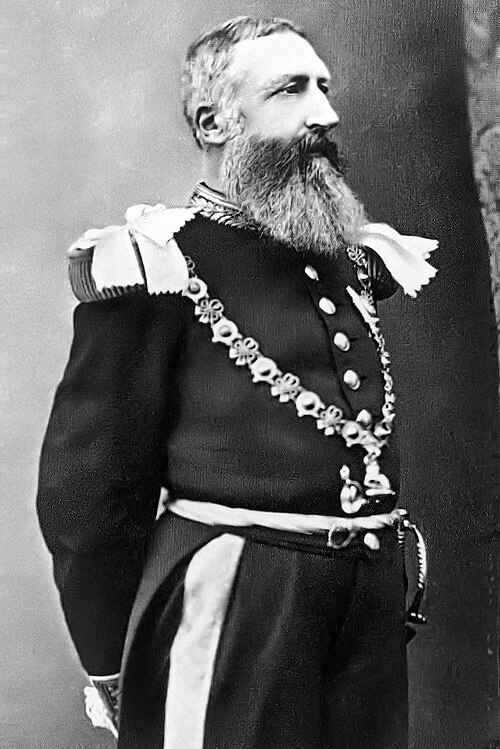
Portrait of Leopold II of Belgium

Photo: Wikimedia Commons

11Documented controversies
7Sources
0Formal charge · all time
0Conviction

I. Documented controversies

01

1885–1908

1885–1908: Congo Free State governed as Leopold II's personal possession

No legal proceedings

From 1885, Leopold was sovereign of the Congo Free State, legally separate from Belgium and administered under his personal authority. This model gave him exceptional control over the territory, concessions and colonial revenues.

State of the evidence
Documented
Attribution
Personally implicated

Sources · 2

  1. [1]
    Royal Museum for Central Africa (AfricaMuseum)Viewpoints on the colonial pastArchiveVery high reliability
  2. [2]
    Encyclopaedia Britannica / Wikisource1911 Encyclopaedia Britannica — Congo Free StateSecondary sourceMedium reliability

Last verified: 14 September 2026

Add to this entry

02

1896–1908

1896: Establishment of Crown Domain, vast area reserved for sovereign's personal revenues

No legal proceedings

An 1896 decree created a vast Crown Domain whose revenues, notably from rubber, were reserved for the sovereign. Profits from the Congo also financed monumental projects and acquisitions in Belgium.

State of the evidence
Documented
Attribution
Personally implicated

Sources · 2

  1. [1]
    Encyclopaedia Britannica / Wikisource1911 Encyclopaedia Britannica — Congo Free StateSecondary sourceMedium reliability
  2. [2]
    Encyclopaedia Britannica / Wikisource1911 Encyclopaedia Britannica — Leopold II, King of the BelgiansSecondary sourceMedium reliability

Last verified: 14 September 2026

Add to this entry

03

1908

1908: Forced transfer of Congo to Belgium following international scandal and debate over compensation to Leopold

No legal proceedings

Faced with international discrediting of the regime, the Belgian Parliament annexed the Congo in 1908, ending the personal Congo Free State. The financial terms of the transfer and benefits retained or awarded to Leopold prompted further criticism.

State of the evidence
Documented
Attribution
Directly implicated

Sources · 3

  1. [1]
    Encyclopaedia Britannica / Wikisource1911 Encyclopaedia Britannica — Leopold II, King of the BelgiansSecondary sourceMedium reliability
  2. [2]
    Encyclopaedia Britannica / Wikisource1911 Encyclopaedia Britannica — Congo Free StateSecondary sourceMedium reliability
  3. [3]
    Royal Museum for Central Africa (AfricaMuseum)Viewpoints on the colonial pastArchiveVery high reliability

Last verified: 14 September 2026

Add to this entry

04

1903–1905

1903–1905: International campaign, Casement Report and commission of inquiry confirm serious abuses

No legal proceedings

Denunciations by missionaries, E.D. Morel and Roger Casement triggered an international crisis. Under pressure, Leopold established a commission of inquiry; its work confirmed serious abuses within the Congo Free State's labour, taxation and coercion systems.

State of the evidence
Confirmed
Attribution
Directly implicated

Sources · 2

  1. [1]
    Encyclopaedia Britannica / Wikisource1911 Encyclopaedia Britannica — Congo Free StateSecondary sourceMedium reliability
  2. [2]
    Royal Museum for Central Africa (AfricaMuseum)Viewpoints on the colonial pastArchiveVery high reliability

Last verified: 14 September 2026

Add to this entry

05

1890–1904

1890–1904: Forced labour and rubber quotas imposed on Congolese communities

No legal proceedings

To meet global rubber demand, the administration and concession companies imposed taxes payable in labour or products, with quotas often enforced through coercion. Entire communities were mobilised at the expense of agriculture, food security and family life.

State of the evidence
Documented
Attribution
Personally implicated

Sources · 3

  1. [1]
    Oxford Research Encyclopedia of African HistoryForced Labor in the Congo Free StateAcademic publicationVery high reliability
  2. [2]
    Royal Museum for Central Africa (AfricaMuseum)Viewpoints on the colonial pastArchiveVery high reliability
  3. [3]
    Encyclopaedia Britannica / Wikisource1911 Encyclopaedia Britannica — Congo Free StateSecondary sourceMedium reliability

Last verified: 14 September 2026

Add to this entry

06

années 1890–1900

1890s–1900s: Hostage-taking, punishment, mutilation and violence associated with quota system

No legal proceedings

The rubber system was accompanied by hostage-taking, beatings, executions, mutilations and other violence by agents, sentries and soldiers. The practice of severing hands became a worldwide symbol of these abuses, although precise circumstances and motives varied.

State of the evidence
Documented

Sources · 3

  1. [1]
    Royal Museum for Central Africa (AfricaMuseum)Viewpoints on the colonial pastArchiveVery high reliability
  2. [2]
    Encyclopaedia Britannica / Wikisource1911 Encyclopaedia Britannica — Congo Free StateSecondary sourceMedium reliability
  3. [3]
    Oxford Research Encyclopedia of African HistoryForced Labor in the Congo Free StateAcademic publicationVery high reliability

Last verified: 14 September 2026

Add to this entry

07

1897

1897: Tervuren colonial exhibition and "Congolese villages" displaying 267 people

No legal proceedings

At Leopold II's instigation, the Tervuren exhibition promoting his colonial project included villages where 267 Congolese people were displayed behind fences before the Belgian public; seven died during their stay.

State of the evidence
Well documented
Attribution
Directly implicated

Sources · 1

  1. [1]
    Royal Museum for Central Africa (AfricaMuseum)The human zoo of Tervuren (1897)ArchiveVery high reliability

Last verified: 14 September 2026

Add to this entry

08

1895

1895: Charles Stokes affair — summary execution of British trader and diplomatic scandal

Acquitted / conviction overturned — against a subordinate officer

Protagonist not prosecuted — these proceedings are not counted in their formal charges or convictions.

Trader Charles Stokes was arrested by Congo Free State forces, summarily tried by Commander Lothaire and hanged, provoking a diplomatic crisis with Britain and Germany over the absence of procedural safeguards.

State of the evidence
Documented
Person targeted by the proceedings
a subordinate officer
Role of the person profiled
Protagonist not prosecuted

Sources · 2

  1. [1]
    Encyclopaedia Britannica / Wikisource1911 Encyclopaedia Britannica — Congo Free StateSecondary sourceMedium reliability
  2. [2]
    Encyclopaedia Britannica / Wikisource1911 Encyclopaedia Britannica — Leopold II, King of the BelgiansSecondary sourceMedium reliability

Last verified: 14 September 2026

Add to this entry

09

1885–1894

1885–1894: Military conquest of territory and consolidation through Force Publique

No legal proceedings

The Congo Free State had to conquer large areas of the territory militarily. The Force Publique, established in 1885, combined European officers and African soldiers and was used in campaigns against local powers and to impose colonial authority.

State of the evidence
Well documented
Attribution
Command responsibility

Sources · 2

  1. [1]
    Royal Museum for Central Africa (AfricaMuseum)Viewpoints on the colonial pastArchiveVery high reliability
  2. [2]
    Royal Museum for Central Africa (AfricaMuseum)The Yeke and the Congo Free StateArchiveVery high reliability

Last verified: 14 September 2026

Add to this entry

10

années 1890

1890s: Appropriation of "vacant lands", monopolies and private rubber and ivory concessions

No legal proceedings

The regime declared vast lands "vacant" where they were not occupied according to European criteria, appropriated their resources and granted large concessions to companies. This system made rubber and ivory major sources of income for the state and sovereign.

State of the evidence
Documented
Attribution
Personally implicated

Sources · 3

  1. [1]
    Royal Museum for Central Africa (AfricaMuseum)The Kongo kingdom and the Congo Free StateArchiveVery high reliability
  2. [2]
    Encyclopaedia Britannica / Wikisource1911 Encyclopaedia Britannica — Congo Free StateSecondary sourceMedium reliability
  3. [3]
    Oxford Research Encyclopedia of African HistoryForced Labor in the Congo Free StateAcademic publicationVery high reliability

Last verified: 14 September 2026

Add to this entry

11

1876–1885

1876–1885: "Humanitarian" organisations and treaties used to build a personal colonial state

No legal proceedings

Leopold II created and controlled organisations presented as scientific, philanthropic and anti-slavery bodies to establish a presence in the Congo basin. Agents concluded hundreds of treaties with African chiefs, often under highly unequal conditions of information and consent, before the international recognition of the Congo Free State.

State of the evidence
Documented
Attribution
Personally implicated

Sources · 2

  1. [1]
    Royal Museum for Central Africa (AfricaMuseum)The Kongo kingdom and the Congo Free StateArchiveVery high reliability
  2. [2]
    Royal Museum for Central Africa (AfricaMuseum)Viewpoints on the colonial pastArchiveVery high reliability

Last verified: 14 September 2026

Add to this entry

II. Constellation of documented links

No documented link with another published profile for now.

Two profiles are linked when a documented controversy of one names the other. The link points to that controversy and its sources; it does not indicate a personal relationship.

III. Has something changed?

A new court decision, a missing source, a mistake? Tell us what should be updated: every request is read by the editorial team.

Support the archive

Controversia checks and updates its profiles independently. Support is optional and has no effect on the content of profiles.

Donate

iPhone and iPad

Install Controversia

  1. Tap Share
  2. then Add to Home Screen

Tap Share, then Add to Home Screen.