Born in Japan · Nationality Japanese — Military medicine / biological warfare / human experimentation / war crimes

Shiro Ishii

Documented profile covering 7 controversies, including “1948–1959: Absence from Tokyo trial, Khabarovsk revelations concerning other members and death without trial” and “1946–1948: Negotiation of US immunity in exchange for human experimentation data”.

Are you concerned? Right of reply

Profile No. 2156 · Updated on 12 October 2026

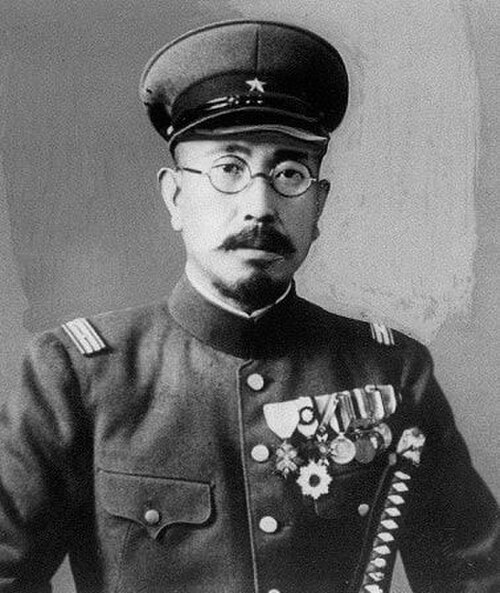
Portrait of Shiro Ishii

Photo: Wikimedia Commons

7Documented controversies+ 1 background event
7Sources
0Formal charge · all time
0Conviction

I. Documented controversies

01

1948–1959

1948–1959: Absence from Tokyo trial, Khabarovsk revelations concerning other members and death without trial

No legal proceedings

Ishii was not prosecuted for Unit 731's biological crimes at the Tokyo trial. In 1949, the USSR tried twelve other members or officials linked to the programme at Khabarovsk. Protected by the American agreement, Ishii was never brought to justice and died in 1959.

State of the evidence
Documented

Sources · 3

  1. [1]
    PBS American ExperienceShiro IshiiSecondary sourceVery high reliability
  2. [2]
    U.S. National ArchivesJapanese Interim ReportOfficial documentVery high reliability
  3. [3]

Last verified: 14 September 2026

Add to this entry

02

1946–1948

1946–1948: Negotiation of US immunity in exchange for human experimentation data

No legal proceedings

Questioned by American authorities, Ishii moved from denial to cooperation conditional on immunity from prosecution. US military officials concluded that the biological warfare data had sufficient strategic value to justify protecting Ishii and his associates from prosecution.

State of the evidence
Documented

Sources · 3

  1. [1]
    U.S. National ArchivesResearch Starting Points — Japanese War Crimes and Biological WarfareOfficial documentVery high reliability
  2. [2]
  3. [3]
    PBS American ExperienceShiro IshiiSecondary sourceVery high reliability

Last verified: 14 September 2026

Add to this entry

03

1936–1945

1936–1945: Leadership of Unit 731 at Pingfang and construction of biological warfare complex

No legal proceedings

Unit 731, established near Harbin, developed laboratories, prisons, biological agent production facilities, testing grounds and infrastructure enabling human experimentation and weapons production under Ishii's direction.

State of the evidence
Documented

Sources · 2

  1. [1]
    U.S. National ArchivesResearch Starting Points — Japanese War Crimes and Biological WarfareOfficial documentVery high reliability
  2. [2]
    Medical History / Cambridge University PressGlobal research on Unit 731 medical atrocities: from the 1950s to the 2020sAcademic publicationVery high reliability

Last verified: 14 September 2026

Add to this entry

04

années 1930–1945

1930s–1945: Lethal experimentation on prisoners infected with plague, cholera, typhoid and other agents

Protagonist not prosecuted

Protagonist not prosecuted — these proceedings are not counted in their formal charges or convictions.

Unit 731 infected detainees with numerous pathogens and monitored disease progression without consent, often until death. Declassified post-war American archives and historical research record hundreds of human subjects and attribute certain experimental programmes directly to Ishii.

State of the evidence
Documented
Role of the person profiled
Protagonist not prosecuted

Sources · 2

  1. [1]
    The Asia-Pacific Journal: Japan FocusUnit 731 and the Japanese Imperial Army's Biological Warfare ProgramAcademic publicationHigh reliability
  2. [2]
    U.S. National ArchivesResearch Starting Points — Japanese War Crimes and Biological WarfareOfficial documentVery high reliability

Last verified: 14 September 2026

Add to this entry

05

années 1930–1945

1930s–1945: Vivisections, frostbite tests, pressure, weapons and other non-therapeutic experiments

Protagonist not prosecuted

Protagonist not prosecuted — these proceedings are not counted in their formal charges or convictions.

Prisoners were subjected to vivisections and numerous experiments designed to measure the effects of wounds, cold, toxic substances and other physiological stresses. These practices were conducted without consent in a system where subjects were treated as experimental material.

State of the evidence
Documented
Attribution
Command responsibility
Role of the person profiled
Protagonist not prosecuted

Sources · 3

  1. [1]
    PBS American ExperienceShiro IshiiSecondary sourceVery high reliability
  2. [2]
    Medical History / Cambridge University PressGlobal research on Unit 731 medical atrocities: from the 1950s to the 2020sAcademic publicationVery high reliability
  3. [3]
    The Asia-Pacific Journal: Japan FocusUnit 731 and the Japanese Imperial Army's Biological Warfare ProgramAcademic publicationHigh reliability

Last verified: 14 September 2026

Add to this entry

06

August 1945

1945: Destruction of Unit 731, elimination of records and concealment as defeat approaches

No legal proceedings

At Japan's surrender, Unit 731 facilities were destroyed, documents burned and personnel instructed to maintain secrecy to prevent full discovery of the programme. Ishii went into hiding and spread reports of his own death.

State of the evidence
Documented

Sources · 2

  1. [1]
    PBS American ExperienceShiro IshiiSecondary sourceVery high reliability
  2. [2]
    Medical History / Cambridge University PressGlobal research on Unit 731 medical atrocities: from the 1950s to the 2020sAcademic publicationVery high reliability

Last verified: 14 September 2026

Add to this entry

07

1940–1942

1940–1942: Biological attacks in China, notably plague at Ningbo and Changde

Protagonist not prosecuted

Protagonist not prosecuted — these proceedings are not counted in their formal charges or convictions.

Japanese forces used biological agents developed by Ishii's network against Chinese areas, notably through dispersal of plague-infected fleas and contamination of resources. The attacks on Ningbo and Changde are among the best-documented operations.

State of the evidence
Documented
Role of the person profiled
Protagonist not prosecuted

Sources · 2

  1. [1]
    U.S. National ArchivesResearch Starting Points — Japanese War Crimes and Biological WarfareOfficial documentVery high reliability
  2. [2]
    Naval History and Heritage CommandH-057-2: Operation Cherry Blossoms at NightOfficial documentVery high reliability

Last verified: 14 September 2026

Add to this entry

II. Documented background

Documented biographical or institutional milestones (elections, appointments, foundings, acquisitions…). These are not controversies and are not counted as such.

  1. 1932–1936

    1932–1936: Establishment of first secret biological warfare facilities in Manchuria

    A military doctor convinced of the strategic potential of biological weapons, Ishii secured support from the Japanese army to establish secret facilities in Manchuria for studying pathogens and their military applications, directly preceding Unit 731.

    Sources · 2
    1. PBS American Experience — Shiro Ishii
    2. Medical History / Cambridge University Press — Global research on Unit 731 medical atrocities: from the 1950s to the 2020s

III. Constellation of documented links

No documented link with another published profile for now.

Two profiles are linked when a documented controversy of one names the other. The link points to that controversy and its sources; it does not indicate a personal relationship.

IV. Has something changed?

A new court decision, a missing source, a mistake? Tell us what should be updated: every request is read by the editorial team.

Support the archive

Controversia checks and updates its profiles independently. Support is optional and has no effect on the content of profiles.

Donate

iPhone and iPad

Install Controversia

  1. Tap Share
  2. then Add to Home Screen

Tap Share, then Add to Home Screen.