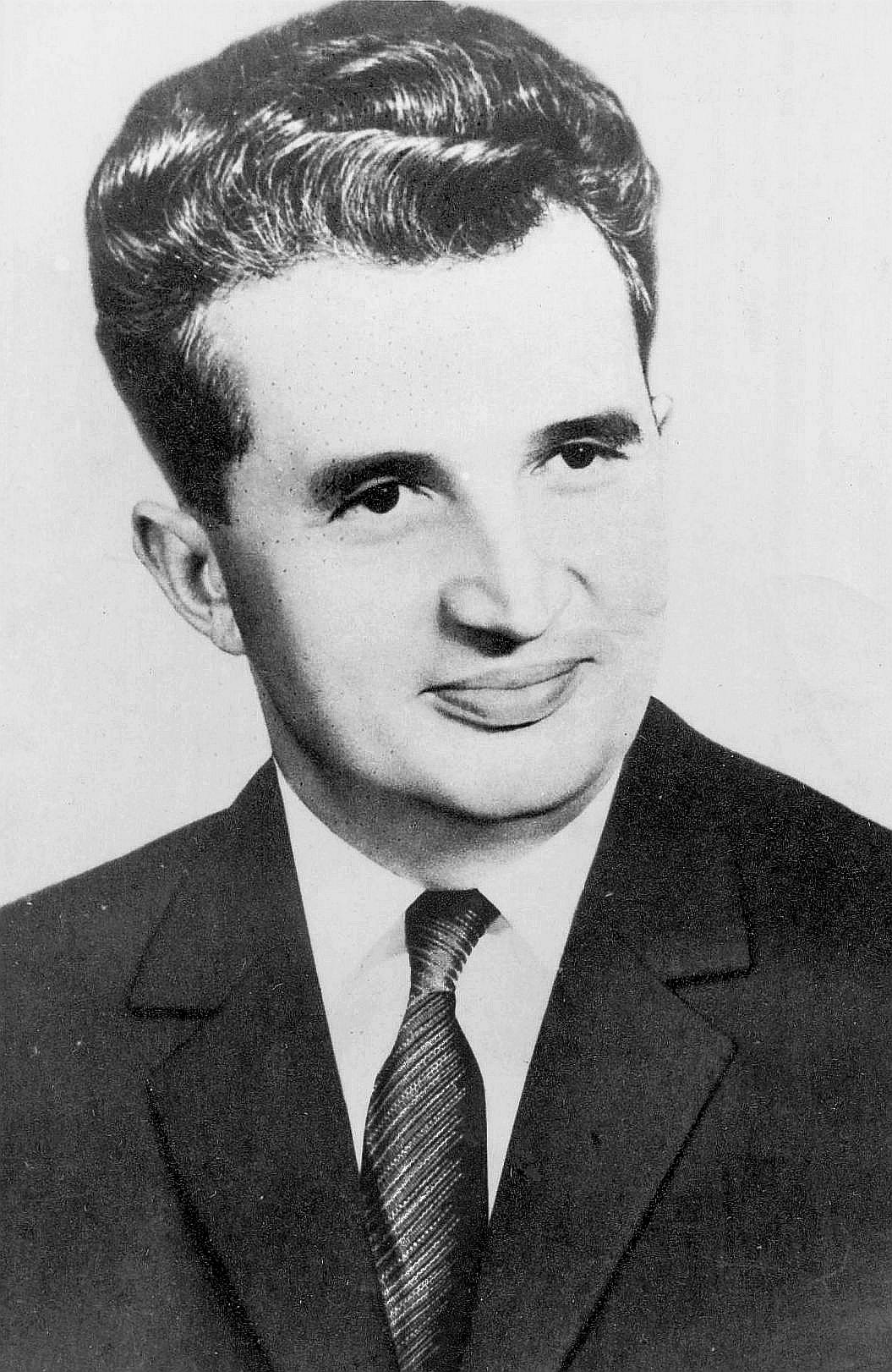
Portrait of Nicolae Ceausescu

Photo: unknown · Attribution · Wikimedia Commons

Born in Romania · Nationality Romanian — Communist dictatorship / repression / social engineering / economy / urban planning / 1989 revolution

Nicolae Ceausescu

Documented profile covering 16 controversies, including “1966: Decree 770 — near-total abortion ban in pursuit of coercive pronatalist policy” and “1970s–1989: reproductive surveillance, contraceptive restrictions and health consequences of clandestine abortions”.

Are you concerned? Right of reply

Profile No. 2049 · Updated on 12 October 2026

Portrait of Nicolae Ceausescu

Photo: unknown · Attribution · Wikimedia Commons

16Documented controversies+ 1 background event
14Sources
1 followed by a conviction

I. Documented controversies

01

1 October 1966–December 1989

1966: Decree 770 — near-total abortion ban in pursuit of coercive pronatalist policy

No legal proceedings

The regime adopted Decree 770, prohibiting termination of pregnancy except under strict exceptions. This defining measure of Ceaușescu's pronatalist policy profoundly transformed Romanian women's reproductive lives.

State of the evidence
Documented
Attribution
Directly implicated

Sources · 1

  1. [1]
    Portal Legislativ — RomâniaDecret nr. 770 din 1 octombrie 1966Parliamentary recordVery high reliability

Last verified: 14 September 2026

Add to this entry

02

années 1970–1989

1970s–1989: reproductive surveillance, contraceptive restrictions and health consequences of clandestine abortions

No legal proceedings

The pronatalist policy was accompanied by severe restrictions on contraception and medical and administrative control of reproduction. The abortion ban drove many women towards dangerous clandestine procedures.

State of the evidence
Documented

Sources · 2

  1. [1]
    Human Rights WatchRomania's Orphans: A Legacy of RepressionNGO reportVery high reliability
  2. [2]

Last verified: 14 September 2026

Add to this entry

03

années 1970–1989

1970s–1989: growth of personality cult around Nicolae and later Ceaușescu couple

No legal proceedings

Official propaganda progressively constructed an almost infallible image of Ceaușescu, multiplying titles, celebrations, portraits and hagiographic expressions. During the 1980s, Elena was incorporated into this cult.

State of the evidence
Well documented
Attribution
Directly implicated

Sources · 2

  1. [1]
    Portal Legislativ — RomâniaHotărâre-Decret nr. 2 din 7 ianuarie 1989Parliamentary recordVery high reliability
  2. [2]
    Los Angeles Times / Associated PressThe 'Mother' Lived Like a QueenPressHigh reliability

Last verified: 14 September 2026

Add to this entry

04

années 1970–1989

1970s–1980s: nepotism and rapid promotion of Elena and other family members

No legal proceedings

Under Nicolae Ceaușescu, Elena rose to the highest party and state bodies, while several family members enjoyed exceptional positions or influence, fostering the perception of a communist dynasty.

State of the evidence
Well documented
Attribution
Political responsibility

Sources · 2

  1. [1]
    Portal Legislativ — RomâniaHotărâre-Decret nr. 2 din 7 ianuarie 1989Parliamentary recordVery high reliability
  2. [2]
    Los Angeles Times / Associated PressThe 'Mother' Lived Like a QueenPressHigh reliability

Last verified: 14 September 2026

Add to this entry

05

1977–1989

Late 1970s–1989: urban systematisation and destruction of historic neighbourhoods and places of worship

No legal proceedings

After the 1977 earthquake, Ceaușescu imposed a radical transformation of Bucharest. Historic neighbourhoods were demolished or extensively remodelled, and numerous churches and monasteries were destroyed or relocated to make way for the new civic centre.

State of the evidence
Documented
Attribution
Directly implicated

Sources · 2

  1. [1]
    Journal of Architecture and Planning (Japan)Removal of Orthodox Churches and Monasteries in Bucharest in Late Ceauşescu PeriodAcademic publicationVery high reliability
  2. [2]
    Bucharest.roChurches in Bucharest Demolished by the CommunistsSecondary sourceMedium reliability

Last verified: 14 September 2026

Add to this entry

06

1981–1989

1980s: extreme austerity to repay foreign debt — shortages of food, heating and electricity

No legal proceedings

Ceaușescu imposed an accelerated repayment policy for foreign debt, relying on forced exports and severe cuts in domestic consumption. Romanians endured food rationing, heating and electricity cuts, and substantial energy restrictions.

State of the evidence
Documented
Attribution
Directly implicated

Sources · 1

  1. [1]
    The Washington PostAusterity Leaves Romanians Short of Food, Fuel and FunPressHigh reliability

Last verified: 14 September 2026

Add to this entry

07

années 1970–1989

1970s–1989: expansion of institutions for abandoned children as consequence of pronatalist policy and economic crisis

No legal proceedings

The combination of enforced childbearing, poverty and an institutional welfare system led to large numbers of children being abandoned. After 1989, the catastrophic conditions endured by tens of thousands of children in institutions became public.

State of the evidence
Documented

Sources · 1

  1. [1]
    Human Rights WatchRomania's Orphans: A Legacy of RepressionNGO reportVery high reliability

Last verified: 14 September 2026

Add to this entry

08

1986–1989

1986–1989: widespread paediatric HIV transmission in hospitals and orphanages under regime

No legal proceedings

Thousands of Romanian children contracted HIV, particularly through microtransfusions, unscreened blood and inadequately sterilised medical equipment in overcrowded hospitals and institutions.

State of the evidence
Documented

Last verified: 14 September 2026

Add to this entry

09

1988–1989

1988–1989: rural systematisation plan threatens thousands of villages and triggers international crisis

No legal proceedings

Ceaușescu announced an acceleration of rural systematisation intended to concentrate the population in agro-industrial centres. The plan implied the disappearance or transformation of thousands of villages and prompted strong opposition, particularly concerning rural and minority communities.

State of the evidence
Documented
Attribution
Directly implicated

Sources · 1

  1. [1]
    Journal of Architecture and Planning (Japan)Removal of Orthodox Churches and Monasteries in Bucharest in Late Ceauşescu PeriodAcademic publicationVery high reliability

Last verified: 14 September 2026

Add to this entry

Case · 2 documented stages

17 December 1989: order to fire on demonstrators in Timișoara

Conviction
10

17 December 1989

17 December 1989: order to fire on demonstrators in Timișoara

Conviction

During a teleconference with party and state officials, Ceaușescu announced that he had ordered the use of weapons against demonstrations in Timișoara. Security forces fired on civilians, killing and injuring people.

State of the evidence
Documented
Attribution
Personally implicated

Sources · 1

  1. [1]
    AGERPRESRevoluţia Română din decembrie 1989PressHigh reliability

Last verified: 14 September 2026

Add to this entry

12

25 December 1989

25 December 1989: summary military trial, death sentence and immediate execution

Conviction

Nicolae and Elena Ceaușescu were tried by an extraordinary military court, sentenced to death on charges including genocide, subversion and destruction of the economy, and executed minutes after sentencing.

State of the evidence
Established by a court
Attribution
Accused

Sources · 2

  1. [1]
    Portal Legislativ — RomâniaComunicat privind procesul lui Nicolae Ceauşescu şi al Elenei CeauşescuCourt recordVery high reliability
  2. [2]
    George Mason University — Making the History of 1989Transcript of the closed trial of Nicolae and Elena CeausescuAcademic publicationHigh reliability

Last verified: 14 September 2026

Add to this entry

11

21–22 December 1989

21 December 1989: Bucharest rally disrupted, repression continues, then flight and regime collapse

Investigation

A large rally organised to reaffirm Ceaușescu's authority turned into a public humiliation when the crowd began protesting. Repression continued in Bucharest before the army changed sides and the couple fled and were captured.

State of the evidence
Documented
Attribution
Political responsibility

Sources · 1

  1. [1]
    AGERPRESRevoluţia Română din decembrie 1989PressHigh reliability

Last verified: 14 September 2026

Add to this entry

13

15 November 1987 et suites

1987: Brașov workers' revolt, arrests and repression following protests over shortages and pay cuts

No legal proceedings

Thousands of workers in Brașov demonstrated against pay cuts, shortages and the regime, chanting slogans against Ceaușescu. Security forces dispersed the movement, arrested hundreds and imposed sanctions and relocations.

State of the evidence
Documented
Attribution
Directly implicated

Sources · 2

  1. [1]
    The Washington PostCeausescu Survives Another Winter of DiscontentPressHigh reliability
  2. [2]
    Radio Romania InternationalThe 1987 Revolts of BrasovBroadcastHigh reliability

Last verified: 14 September 2026

Add to this entry

14

années 1980

1980s: construction of House of the People and mass displacement in central Bucharest

No legal proceedings

Construction of the House of the People and the civic centre consumed immense resources and required demolition of extensive residential and heritage areas of Bucharest, displacing thousands of residents.

State of the evidence
Well documented
Attribution
Directly implicated

Sources · 2

  1. [1]
    Journal of Architecture and Planning (Japan)Removal of Orthodox Churches and Monasteries in Bucharest in Late Ceauşescu PeriodAcademic publicationVery high reliability
  2. [2]
    Bucharest.roChurches in Bucharest Demolished by the CommunistsSecondary sourceMedium reliability

Last verified: 14 September 2026

Add to this entry

15

2 August–automne 1977

1977: repression of Jiu Valley miners' strike following initial concessions

No legal proceedings

Faced with a large-scale miners' strike, Ceaușescu visited the area and promised to meet several demands. After work resumed, authorities arrested, dismissed, forcibly relocated and placed under surveillance participants in the strike.

State of the evidence
Documented
Attribution
Directly implicated

Sources · 1

  1. [1]
    Memorialul Victimelor Comunismului şi al RezistenţeiGreva minerilor din Valea Jiului din august 1977ArchiveVery high reliability

Last verified: 14 September 2026

Add to this entry

16

6 July 1971 et suites

1971: 'July Theses' — neo-Stalinist turn and renewed ideological control of culture and education

No legal proceedings

Following visits to China and North Korea, Ceaușescu launched an ideological offensive strengthening Marxist-Leninist education, cultural discipline, propaganda and party control over artistic and intellectual creation.

State of the evidence
Documented
Attribution
Directly implicated

Sources · 1

  1. [1]
    George Mason University — Making the History of 1989Transcript of the closed trial of Nicolae and Elena CeausescuAcademic publicationHigh reliability

Last verified: 14 September 2026

Add to this entry

II. Documented background

Documented biographical or institutional milestones (elections, appointments, foundings, acquisitions…). These are not controversies and are not counted as such.

  1. 1965–1974

    1965–1974: gradual concentration of power through party leadership and presidency

    After becoming leader of the Romanian Communist Party in 1965, Ceaușescu gradually concentrated the highest party and state offices, culminating in the creation of the presidency of the Republic in 1974, which he assumed himself.

    Sources · 1
    1. Portal Legislativ — România — Comunicat privind procesul lui Nicolae Ceauşescu şi al Elenei Ceauşescu

III. Constellation of documented links

  • Linked profile (portrait or initials) — click to open it
  • Line width: number of documented references
  • Hover over or tap a line: controversies and sources

Two profiles are linked when a documented controversy of one names the other. The link points to that controversy and its sources; it does not indicate a personal relationship.

List of documented links (1)
  1. Elena Ceausescu2 documented references

IV. Has something changed?

A new court decision, a missing source, a mistake? Tell us what should be updated: every request is read by the editorial team.

Support the archive

Controversia checks and updates its profiles independently. Support is optional and has no effect on the content of profiles.

Donate

iPhone and iPad

Install Controversia

  1. Tap Share
  2. then Add to Home Screen

Tap Share, then Add to Home Screen.