Born in France · Nationality French — Literature / theatre / justice / political activism / cultural memory

Jean Genet

Documented profile covering 9 controversies, including “1947–2006: enduring controversy over aesthetic portrayal of Nazi and militia figures in his work” and “1970s–1986: pro-Palestinian activism, political support and contested legacy”.

Are you concerned? Right of reply

Profile No. 2638 · Updated on 12 October 2026

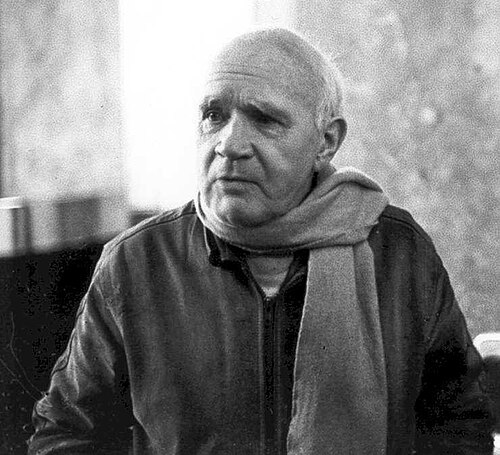
Portrait of Jean Genet

Photo: Wikimedia Commons

9Documented controversies+ 1 background event
14Sources
2 followed by a conviction ·

I. Documented controversies

01

1947–2006

1947–2006: enduring controversy over aesthetic portrayal of Nazi and militia figures in his work

No legal proceedings

Genet's writings, particularly Pompes funèbres, have prompted longstanding controversy over their eroticisation and literary fascination with Nazi, SS and militia figures. Critical essays have interpreted this aesthetic as a darker aspect of his work and thinking.

State of the evidence
Documented
Attribution
Directly implicated

Sources · 1

  1. [1]

Last verified: 14 September 2026

Add to this entry

02

1970–1986

1970s–1986: pro-Palestinian activism, political support and contested legacy

No legal proceedings

Genet became deeply involved in supporting Palestinians and stayed in their camps on several occasions. This commitment became one of the most debated aspects of his political legacy, particularly in the reception of his later writings and Un captif amoureux.

State of the evidence
Documented
Attribution
Personally implicated

Sources · 2

  1. [1]
    Le MondeLes flèches perdues de Jean GenetPressHigh reliability
  2. [2]

Last verified: 14 September 2026

Add to this entry

03

September 1977

1977: Violence et brutalité — essay on Red Army Faction and controversy over justification of violence

No legal proceedings

In Violence et brutalité, published in 1977 in the context of West Germany's Red Army Faction, Genet developed a defence of revolutionary violence against what he described as institutional brutality. The text provoked highly critical responses, with some accusing him of legitimising political murders.

State of the evidence
Documented
Attribution
Personally implicated

Sources · 2

  1. [1]
  2. [2]
    Le MondeLibres opinions : La victime et le tyranPressHigh reliability

Last verified: 14 September 2026

Add to this entry

04

March–May 1970

1970: unlawful entry into United States after visa refusal and tour supporting Black Panthers

No legal proceedings

After being refused a visa, Genet entered the United States unlawfully in March 1970 and travelled across the country to support the Black Panther Party publicly, speaking particularly on campuses and around Bobby Seale's trial. Historical documents indicate that he was supposed to report to immigration authorities but eventually left via Canada before returning to France.

State of the evidence
Documented
Attribution
Directly implicated

Sources · 2

  1. [1]
    ProQuest Black Freedom StruggleJean Genet and the Black Panther Party — historical committee exhibitPrimary sourceHigh reliability
  2. [2]
    The Black Panther / Marxists Internet ArchiveJean Genet statement in The Black Panther, May 1970PressMedium reliability

Last verified: 14 September 2026

Add to this entry

05

April–May 1966

1966: Les Paravents — demonstrations, clashes and political dispute reaching National Assembly

No legal proceedings

The staging of Les Paravents at the Odéon triggered one of France's major post-war theatrical scandals. Far-right activists and veterans' associations protested against a work they considered insulting to the army and the French presence in Algeria; clashes occurred, and public funding was debated in the National Assembly.

State of the evidence
Documented
Attribution
Directly implicated

Sources · 2

  1. [1]
    Assemblée nationaleLes Paravents de Jean Genet à l'Assemblée nationaleParliamentary recordVery high reliability
  2. [2]
    Le MondeLe malentendu des « Paravents »PressHigh reliability

Last verified: 14 September 2026

Add to this entry

06

1948–12 August 1949

1948–1949: final theft conviction episode followed by presidential pardon from Vincent Auriol

Conviction

In the late 1940s, as Genet faced the prospect of a harsher legal position due to repeat offending, writers and intellectuals, including Jean Cocteau, Jean-Paul Sartre and other supporters, intervened on his behalf. On 12 August 1949, President Vincent Auriol granted him a pardon.

State of the evidence
Established by a court
Attribution
Accused

Sources · 2

  1. [1]
    Revue interdisciplinaire d'études juridiques / Cairn.infoJean Genet et la grâce présidentielleAcademic publicationHigh reliability
  2. [2]
    Institut Mémoires de l'édition contemporaine (IMEC)Jean Genet — La rage d'écrireArchiveVery high reliability

Last verified: 14 September 2026

Add to this entry

07

1947

1947: theatrical scandal surrounding Les Bonnes

No legal proceedings

The première of Les Bonnes at Théâtre de l'Athénée caused a scandal and highly polarised reception. The play, loosely inspired by a news story and built around relationships of domination, hatred and desire, shocked parts of the audience and critics.

State of the evidence
Documented
Attribution
Directly implicated

Sources · 1

  1. [1]
    LarousseJean Genet — archives de la Grande EncyclopédieEncyclopediaHigh reliability

Last verified: 14 September 2026

Add to this entry

08

1940–1943

1940–1943: repeated thefts, imprisonment and conviction after stealing copy of Verlaine

Conviction

Between 1940 and 1943, Genet was repeatedly arrested and imprisoned for theft. On 29 May 1943, he was notably caught stealing a luxury edition of Verlaine's Fêtes galantes; the July trial took place while he was legally a repeat offender and faced the threat of penal transportation [relégation].

State of the evidence
Established by a court
Attribution
Directly implicated

Sources · 2

  1. [1]
    Histoire de la justice / Cairn.infoJean Genet, poète et voyouAcademic publicationHigh reliability
  2. [2]
    Institut Mémoires de l'édition contemporaine (IMEC)Jean Genet — La rage d'écrireArchiveVery high reliability

Last verified: 14 September 2026

Add to this entry

09

1939

1939: court-martial for car theft — acquittal, with psychiatric grounds expressed in historically dated terminology

Acquitted / conviction overturned

On returning to France, Genet appeared before a military court in a car theft case and was acquitted. A retrospective source reports that the judgment used psychiatric terminology now considered outdated to explain the outcome.

Attribution
Accused
Course of the proceedings
  1. Formally charged — Formal charge before the current outcome

Sources · 1

  1. [1]
    Le MondeComédien et martyrPressHigh reliability

Last verified: 14 September 2026

Add to this entry

II. Documented background

Documented biographical or institutional milestones (elections, appointments, foundings, acquisitions…). These are not controversies and are not counted as such.

  1. 1936

    1936: desertion from army following service in colonial troops

    After enlisting in the army and serving in colonial troops, Jean Genet deserted in 1936. This episode began a new period of marginality, travel and offences that would mark his biography before his literary recognition.

    Sources · 2
    1. Institut Mémoires de l'édition contemporaine (IMEC) — Jean Genet — La rage d'écrire
    2. Le Monde — Comédien et martyr

III. Constellation of documented links

  • Linked profile (portrait or initials) — click to open it
  • Line width: number of documented references
  • Hover over or tap a line: controversies and sources

Two profiles are linked when a documented controversy of one names the other. The link points to that controversy and its sources; it does not indicate a personal relationship.

List of documented links (1)
  1. Jean-Paul Sartre1 documented reference

IV. Has something changed?

A new court decision, a missing source, a mistake? Tell us what should be updated: every request is read by the editorial team.

Support the archive

Controversia checks and updates its profiles independently. Support is optional and has no effect on the content of profiles.

Donate

iPhone and iPad

Install Controversia

  1. Tap Share
  2. then Add to Home Screen

Tap Share, then Add to Home Screen.